Maulana Azad College
Affiliated to the University of Calcutta
Affiliated to the University of Calcutta

The Department embarked on its illustrious journey on the year 2003 under the auspices of the expansion plans perceived by the Platinum Jubilee Celebration Committee in 2001. The ball was set rolling when a classroom in the top floor of the Annexe Building was converted into a Laboratory and services of two teachers of Botany and Chemistry Departments were placed for this new Department by the order of Department of Higher Education, Government of West Bengal. University of Calcutta gave due affiliation in mid 2003 and the first batch of students were admitted. Since then, two more laboratories were constructed, 3 new teaching posts were created along with 2 other posts converted from other departments. Presently there are five regular and two part time teachers in the department along with a lab attendant. Construction of a roof-top extension has been completed to comply with the increased need of class room space under the newly introduced CBCS framework. This section houses two more classrooms, one classroom cum laboratory, one dedicated research laboratory and one teachers' room. In addition to augmentation of classroom and practical demonstration space, it is believed to cater for the growing need of dedicated research facility at the Department.
Since its inception, this department is contributing in a meaningful way to the growth of this college. Although of high demand, the course is viable in most Non-Government Institutions by virtue of high course specific fee structure. At Maulana Azad College, we run the course with regular developments grants from the Government at a nominal fee structure without compromising the quality of education. This enables many bright students from economically challenged families to take up the course at undergraduate level. With extramural support from UGC, DBT and other funding agencies, we even go a step further and carry out frequent training programmes, workshops and other co-curricular activities to motivate young minds in pursuing a research career. In addition, various other extracurricular activities like picnics, annual get together and academic excursions never let the students feel tired of their study load.
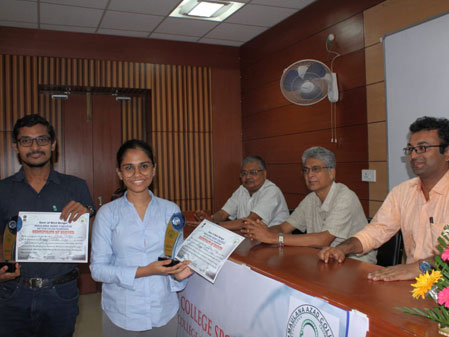
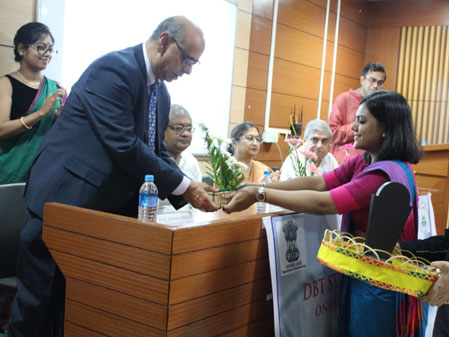
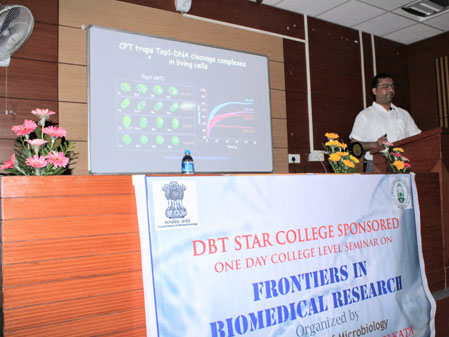
The department is one of the five beneficiary departments of the DBT STAR COLLEGE scheme support (since 2010-11) under which students' workshops, seminars and "Meet your peers" sessions are organized time to time to motivate students in life science research. The Department has also been recognised as a Ph.D. awarding centre registered with University of Calcutta and is under the process of being upgraded to a full-fledged research centre. In recognition of the growing research ambience, the Department had received support under the DBT BOOST scheme to augment its research infrastructure. In a congenial and friendly environment, we continually thrive to prepare our students to prevail in a competitive environment of today's education and secure a place at a reputed Masters' programme,
The students have been consistently securing University ranks for the last five years. Those who have passed out are primarily engaged in research in reputed Institutes like IISC (Bangalore), JNU (New Delhi), Bose Institute (Kolkata), IACS (Kolkata), IISER (Kolkata) etc. after successfully completing their Graduation programme. Others took up entrepreneurship, civil services, IT jobs in multinationals and teaching.
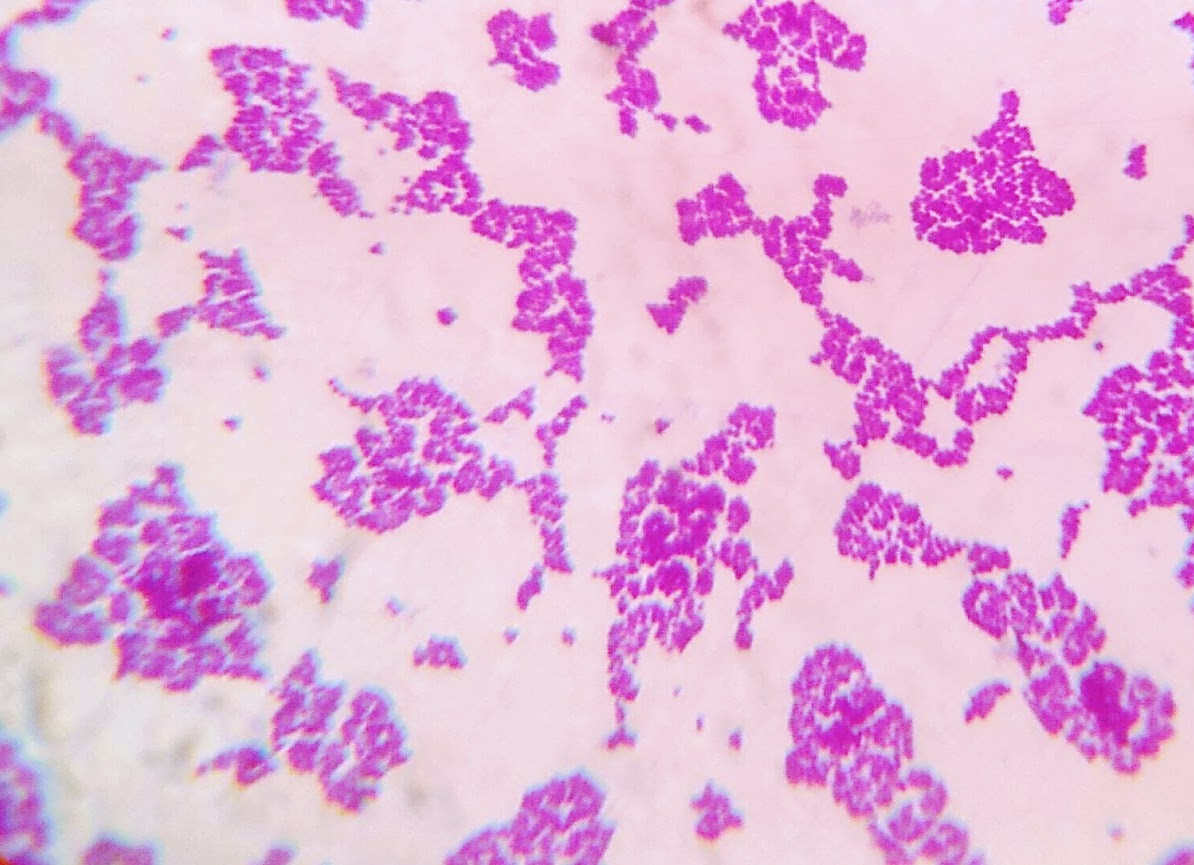
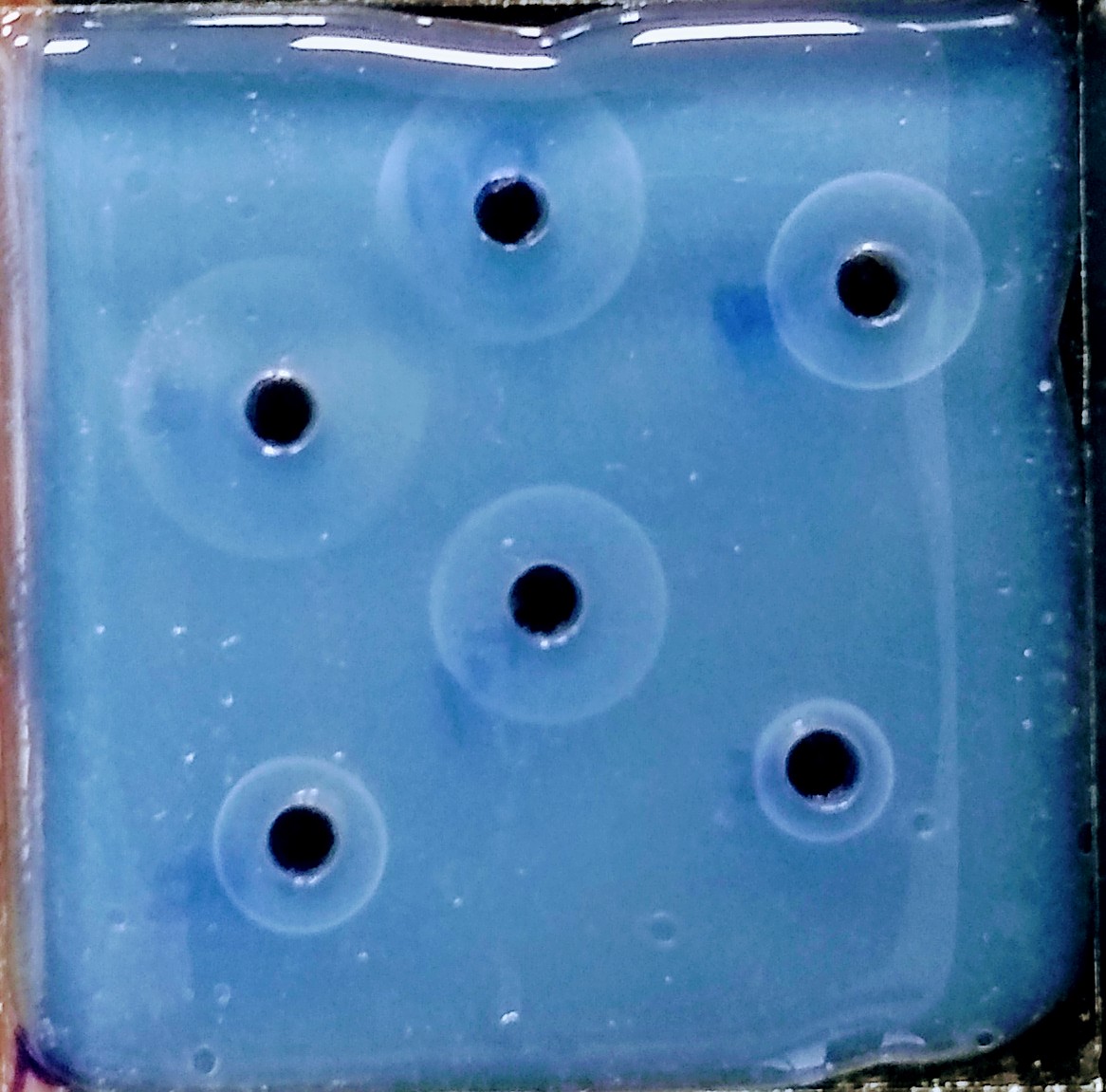
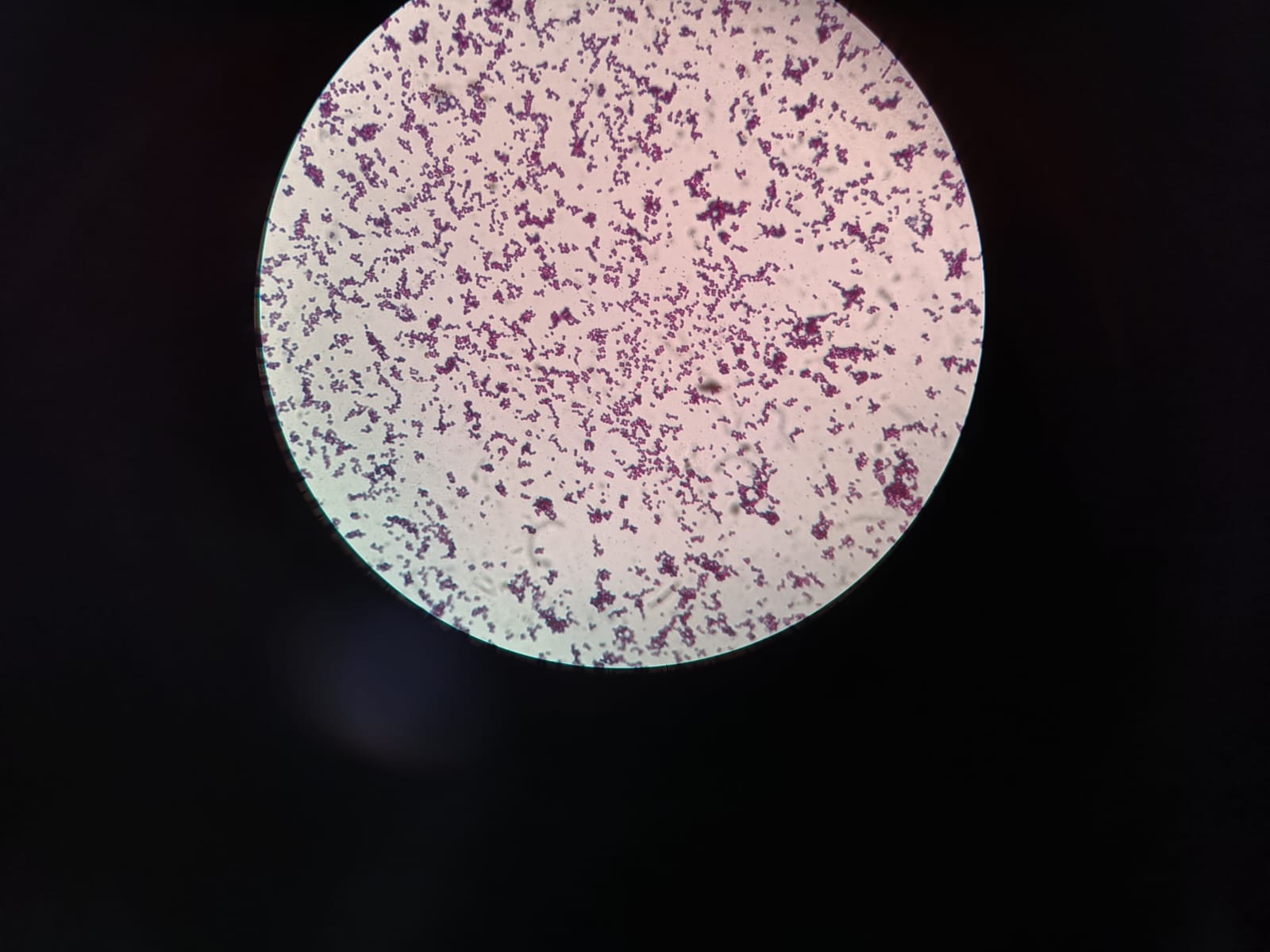
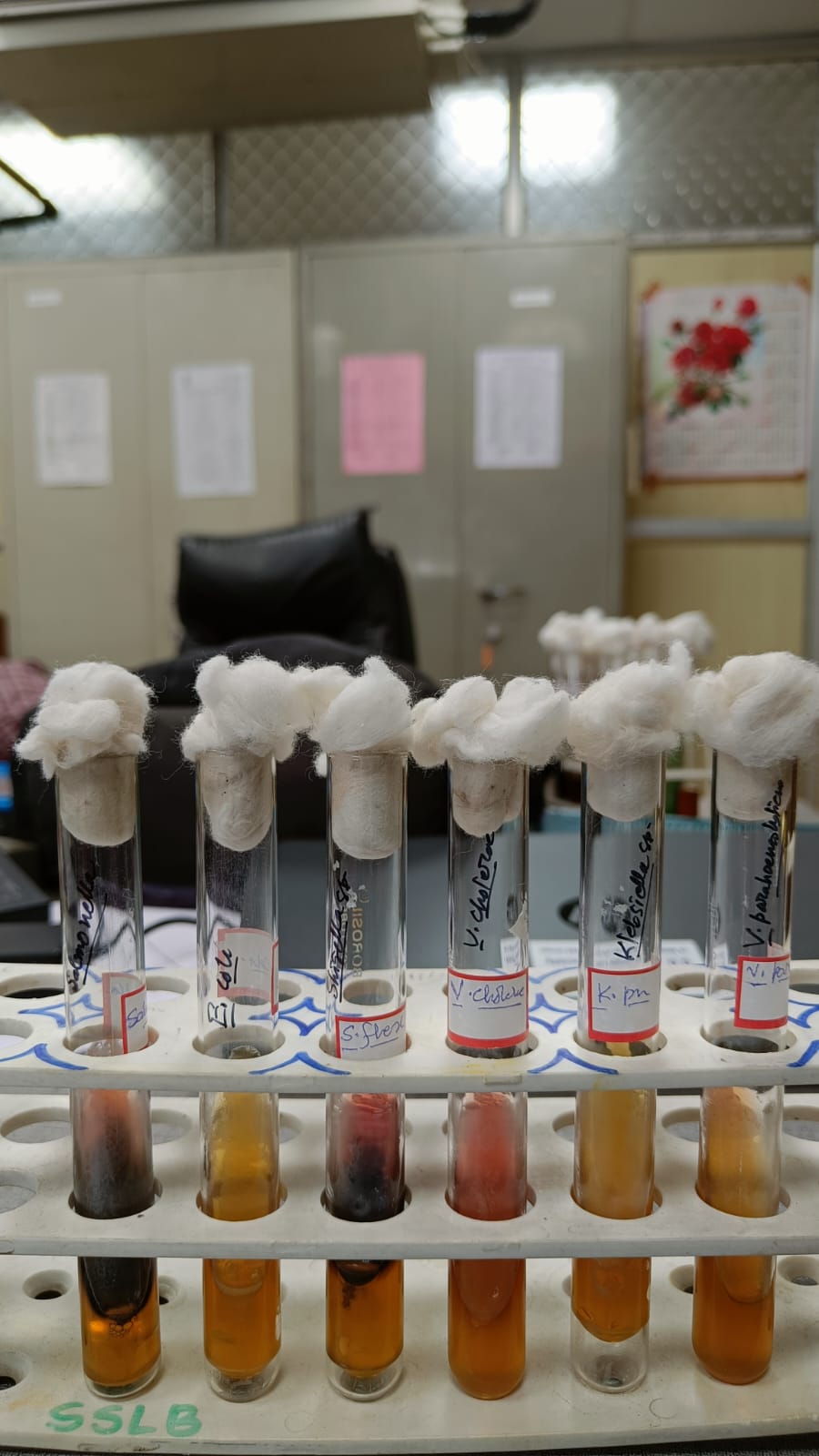
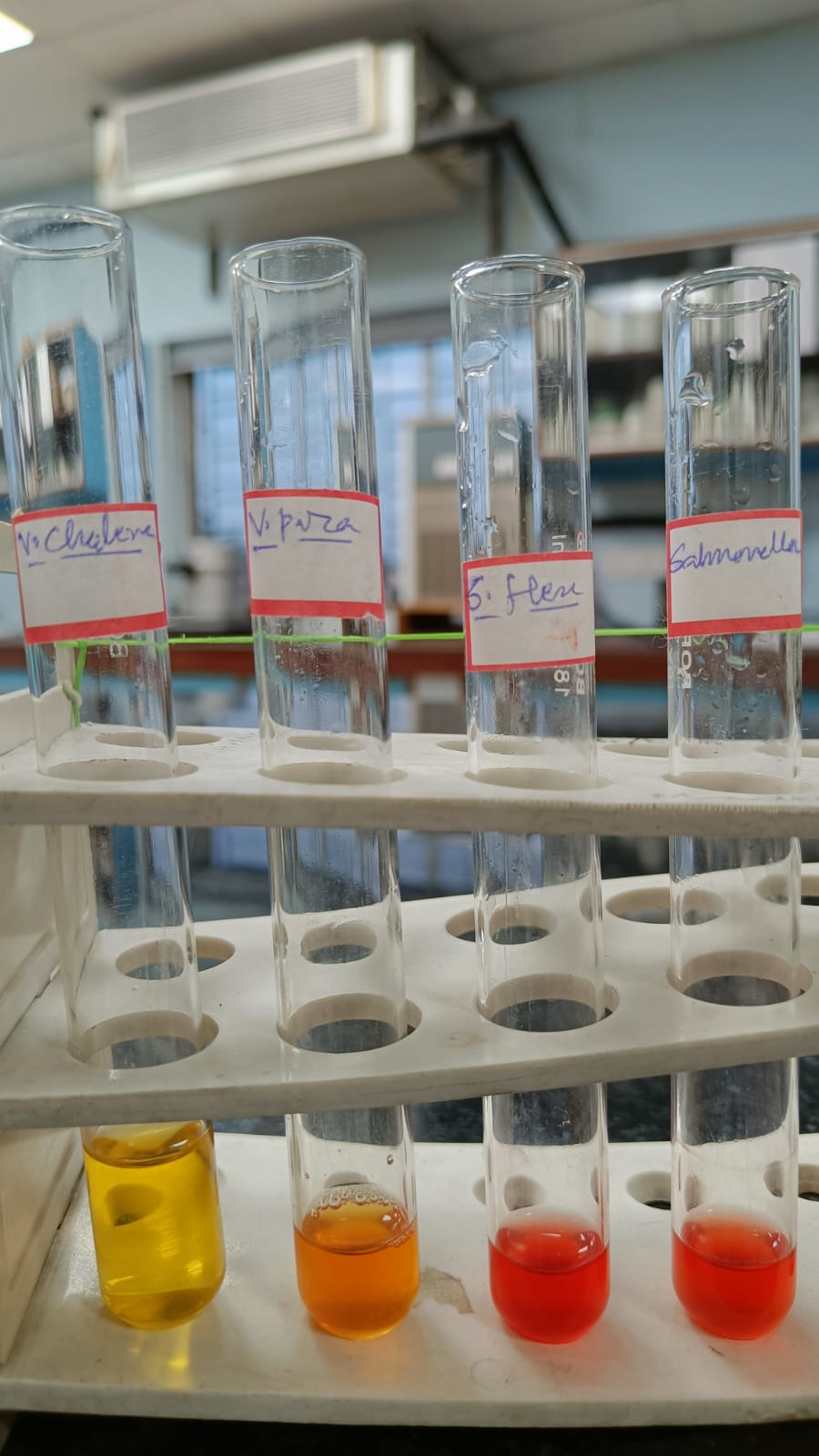
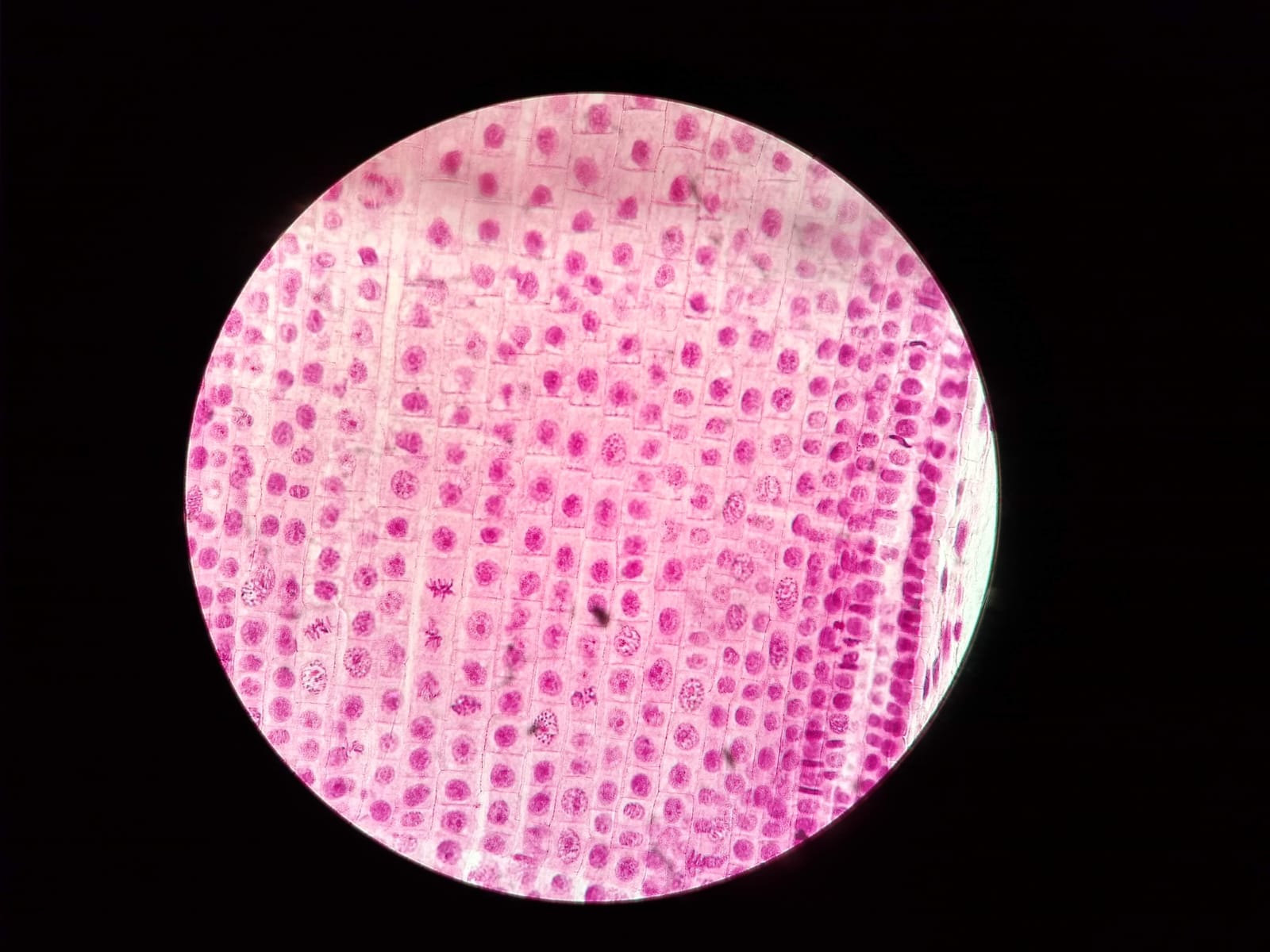
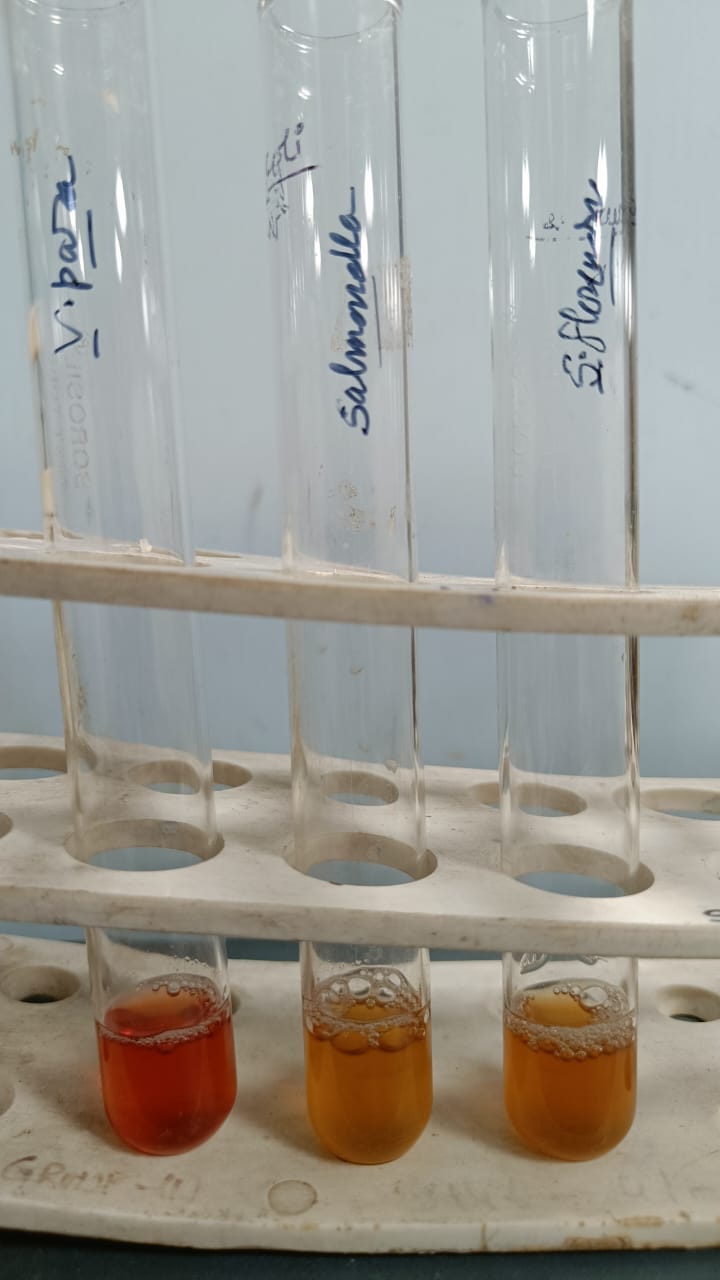
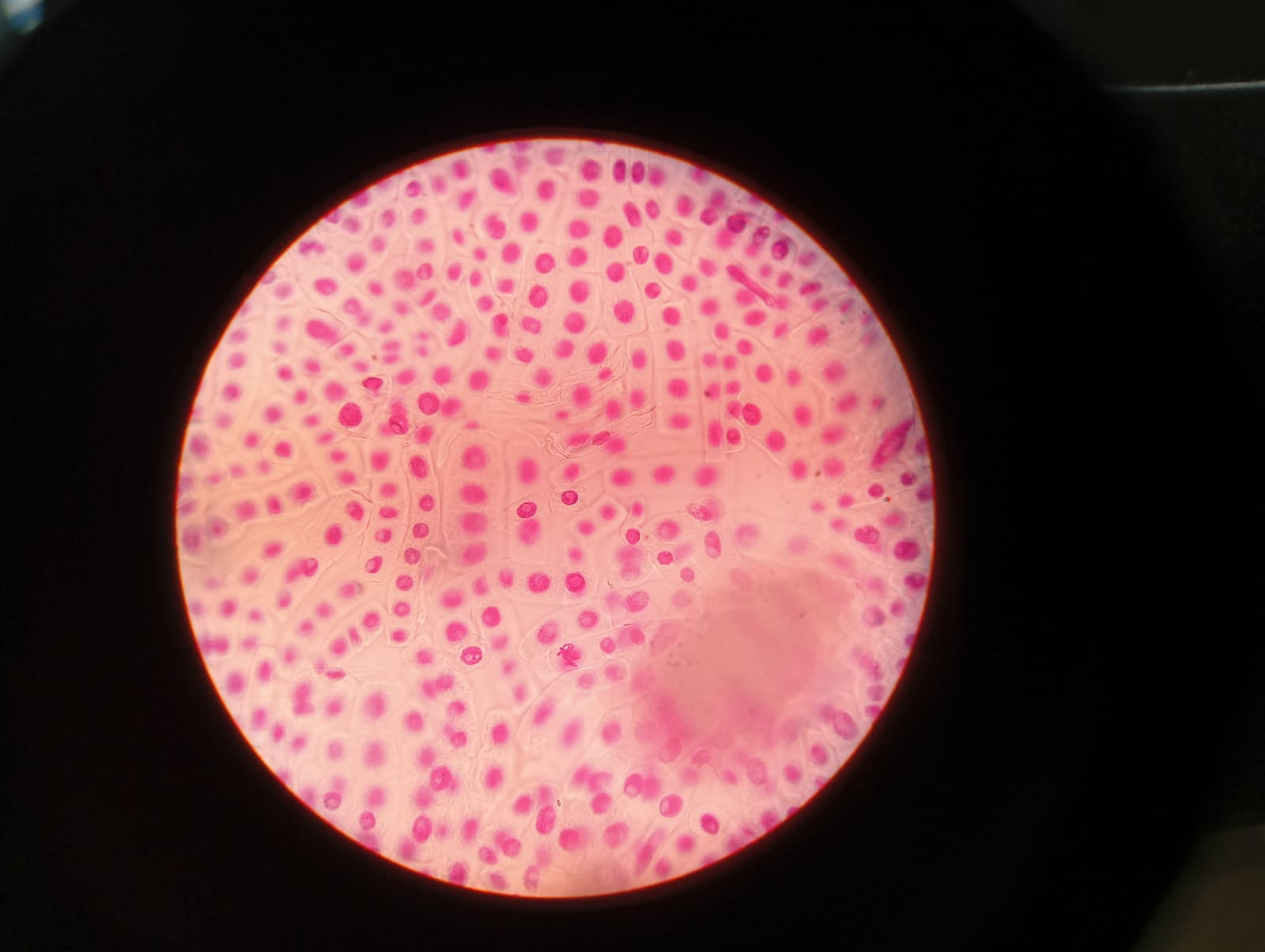
Discipline Specific Core Course of Microbiology:
SEC-1: Food Fermentation Techniques and Packaging
SEC-2: Artificial Intelligence (AI)
SEC-3: Biofertilizers and Biopesticides
RM 1: Instrumentation and Biotechniques
RM 2: Essential Tools in Biological Research
For Hons. With research, only
RI: Research Internship
DISS: Dissertation
Semester-wise Offered Course Structure (CCF) : UG Microbiology Course Structure
Semester-wise Offered Course Structure (CBCS) : UG Microbiology Course Structure
At Maulana Azad College, we believe in empowering students to shape their own future. Recognizing the diverse socio-economic backgrounds of our learners, the Department of Microbiology provides a supportive and inclusive environment that nurtures academic excellence, professional growth, and personal development.
Aligned with the National Education Policy (NEP) 2020 and the Curriculum and Credit Framework (CCF 2022) of the University of Calcutta, our curriculum combines strong theoretical foundations with Skill Enhancement Courses (SECs), Value-Added Courses (VACs), and multidisciplinary learning opportunities to enhance employability, entrepreneurship, and lifelong learning skills.
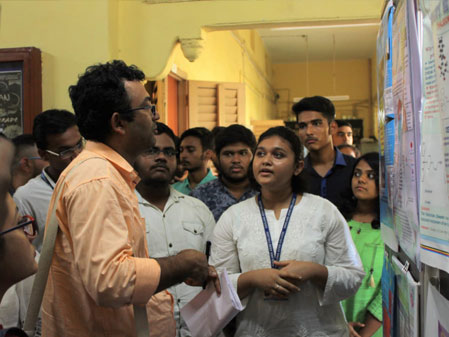
Beyond the classroom, students actively participate in workshops, hands-on training programmes, seminars, scientific presentations, research projects, industrial visits, and field-based learning experiences. The Department was a beneficiary of the DBT STAR College Scheme from 2012 to 2021, a period during which the Scheme significantly strengthened laboratory infrastructure, student training, and academic enrichment activities. Building upon this strong foundation, the Department has continued its growth independently after 2021 and regularly organizes educational visits to food fermentation industries, biofertilizer and biopesticide units, food processing facilities, research institutes, and waste treatment plants, providing students with valuable exposure to real-world applications of microbiology.
Our faculty members closely mentor students according to their individual needs. Remedial support is provided to slow learners, while advanced learners are encouraged to participate in debates, scientific competitions, internships, and research programmes at leading laboratories and industries. Career-oriented lectures and interactions with distinguished alumni, academicians, and industry experts from India and abroad help students explore diverse career pathways.
The Department has an excellent record of guiding students towards higher education and research. Many graduates pursue postgraduate studies in Microbiology and related disciplines, while meritorious students secure admission to prestigious integrated Ph.D. programmes and research institutions such as IISc, NCBS–TIFR, IACS, Bose Institute, and other premier centres of excellence. Several alumni have gone on to qualify national-level examinations and build successful careers as researchers, scientists, academicians, and professionals in biotechnology, pharmaceutical industries, and government organizations.
To foster scientific curiosity and leadership, the Department regularly celebrates World Microbiology Day, World Microbiome Day, and the birth anniversaries of eminent Indian and Bengali microbiologists through lectures, exhibitions, competitions, and outreach activities. Together, these initiatives create a vibrant learning ecosystem that prepares students not only for academic success but also for meaningful careers and lifelong contributions to society.
To create a learning environment encompassing students from all socio-economic backgrounds and to empower them with modern state-of-the-art knowledge from the discipline.
To impart quality education within the confines of the syllabus and to ensure near absolute enrolment into higher education.
Microbiology UG Syllabus under CCF- 2022 : UG Microbiology Syllabus_University of Calcutta under CCF 2022
CBCS Syllabus of MCBA by CU : View
Coming Soon
Lesson Plan 19-20 UG :View
Lesson Plan 20-21 UG:View
Lesson Plan Dept. Microbiology 2021-22: View
Open learning resources Microbiology Department: View
Lesson Plan – 2022-23:View
Lesson Plan 23-24 UG:View
Lesson Plan 24-25 UG:View
Lesson Plan 25-26 UG:View







Coming Soon